
Makar Sankranti Festival: History, Traditions & Celebrations at The Raj Palace Jaipur
Makar Sankranti is one of India’s most ancient and widely celebrated festivals, marking a significant astronomical event as well as a seasonal transition. Observed with immense joy across different states under various names, this festival symbolizes new beginnings, prosperity, gratitude, and the victory of light over darkness. Unlike many Indian festivals that follow the lunar calendar, Makar Sankranti is based on the solar calendar and usually falls on 14th January every year.
From kite-filled skies and sacred river baths to festive foods and cultural gatherings, Makar Sankranti beautifully blends spirituality, agriculture, and community celebrations. In Rajasthan, especially Jaipur, the festival takes on a royal charm—nowhere more gracefully experienced than at The Raj Palace Jaipur.
History of Makar Sankranti Festival
The roots of Makar Sankranti trace back thousands of years to ancient Indian scriptures and astronomical traditions. The word “Makar” refers to the zodiac sign Capricorn, and “Sankranti” means transition. The festival marks the day when the Sun enters Capricorn, beginning its northward journey known as Uttarayan.
Mythological Significance
According to Hindu mythology:
- This day is considered highly auspicious for charity, meditation, and spiritual practices.
- It is believed that Lord Surya (Sun God) visits his son Shani (Saturn) on this day, symbolizing harmony in relationships.
- In the epic Mahabharata, Bhishma Pitamah chose to leave his mortal body during Uttarayan, as it was believed to lead the soul toward liberation.
Agricultural Importance
Makar Sankranti also celebrates the harvest season. Farmers thank nature for a successful crop and pray for prosperity in the coming year. This is why grains, sesame seeds, jaggery, and freshly harvested produce play a central role in the rituals and cuisine.
How Makar Sankranti Is Celebrated Across India
Though the essence remains the same, celebrations vary by region:
- Rajasthan & Gujarat: Kite flying dominates the skyline.
- Tamil Nadu: Celebrated as Pongal, a four-day harvest festival.
- Punjab & Haryana: Known as Lohri, marked by bonfires and folk songs.
- Assam: Celebrated as Magh Bihu with feasts and community gatherings.
- Maharashtra: People exchange til-gud (sesame and jaggery sweets) saying, “Til-gud ghya, goad goad bola.”
Traditional Rituals and Festive Foods
Ritual purity and generosity define Makar Sankranti:
- Holy dips in rivers like Ganga, Yamuna, and Godavari
- Donation of food, clothes, and money
- Worship of the Sun God at sunrise
- Preparing foods made from sesame seeds and jaggery, believed to keep the body warm and foster unity
Popular delicacies include:
- Til ladoo
- Gajak and chikki
- Pongal
- Khichdi
Makar Sankranti Celebration at The Raj Palace Jaipur
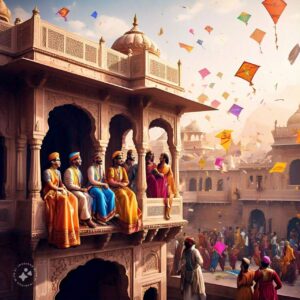
Celebrating Makar Sankranti at The Raj Palace Jaipur is an experience that blends royal heritage with authentic Rajasthani traditions. As one of the oldest palaces in Jaipur, the hotel transforms the festival into an unforgettable cultural celebration.
Royal Kite Flying Experience
Guests can enjoy traditional kite flying from palace terraces, overlooking the historic skyline of Jaipur. The vibrant kites against the blue winter sky recreate the timeless charm of old Rajasthan.
Cultural Evenings & Folk Performances
The palace hosts:
- Rajasthani folk music and dance
- Traditional attire experiences
- Storytelling sessions highlighting the history of Makar Sankranti
Authentic Festive Cuisine
Specially curated menus feature:
- Traditional Rajasthani Makar Sankranti dishes
- Til-based sweets and winter delicacies
- Royal recipes prepared by expert chefs using age-old techniques
Spiritual & Wellness Touch
The serene palace atmosphere allows guests to:
- Begin the day with sunrise rituals
- Enjoy peaceful moments of reflection in palace courtyards
- Experience traditional hospitality rooted in Indian values of warmth and generosity
Why Celebrate Makar Sankranti in Jaipur?
Jaipur, the Pink City, is globally renowned for its festivals, architecture, and cultural richness. During Makar Sankranti:
- The entire city comes alive with colorful kites
- Rooftops turn into celebration zones
- Markets bustle with sweets, kites, and festive décor
Staying at a heritage palace like The Raj Palace Jaipur elevates the celebration—offering not just accommodation, but a royal cultural immersion.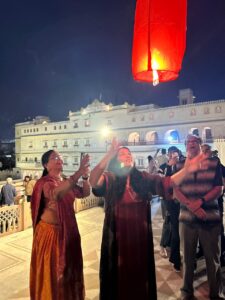
Modern Relevance of Makar Sankranti
In today’s fast-paced world, Makar Sankranti reminds us to:
- Stay connected with nature’s cycles
- Practice gratitude and charity
- Celebrate unity beyond regional boundaries
The festival’s solar alignment also highlights India’s advanced ancient knowledge of astronomy—making it both spiritually and scientifically significant.
Conclusion
Makar Sankranti is more than a festival—it is a celebration of life, light, and renewal. Rooted deeply in history and tradition, it continues to unite communities across India with joy and optimism.
Experiencing Makar Sankranti at The Raj Palace Jaipur adds a regal dimension to this timeless festival. From kite-filled skies and cultural performances to royal hospitality and authentic cuisine, the celebration becomes a cherished memory—one that reflects the soul of India and the grandeur of Rajasthan.
If you are looking to witness Makar Sankranti in its most elegant and culturally rich form, Jaipur—and especially The Raj Palace—offers an experience like no other. 🌞🪁